Focus Awards Level 4 Diploma in Advanced Skin Science and Clinical Aesthetic Procedures (RQF)

Original price was: £4,500.00.Current price is: £2,999.00.

Focus Awards Level 4 Diploma in Advanced Skin Science and Clinical Aesthetic Procedures (RQF)

The Diploma covers a comprehensive 9 unit subjects:

This qualification brings together advanced skin science, clinical skin assessment and practical aesthetic treatment techniques. Learners develop the underpinning knowledge and practical skills required to plan and deliver a range of advanced skin treatments safely and professionally.

1. Facial Anatomy and Physiology

This unit introduces learners to the anatomy and physiology of the face, providing the essential scientific foundation for advanced aesthetic practice.

Learners explore the structure and function of the facial tissues and the systems that support healthy skin. They develop an understanding of the facial skeleton, muscles, nerves, blood supply and lymphatic system, alongside the structure and function of the skin and its associated structures.

The unit helps learners understand how facial anatomy and physiology influence treatment selection, treatment techniques and client safety. This knowledge is fundamental to carrying out advanced facial assessments and delivering aesthetic procedures effectively.

Key areas of learning include:

  • Facial skeletal structure and anatomical landmarks.

  • Facial muscles and their functions.

  • Facial nerves and blood circulation.

  • Lymphatic drainage and its importance.

  • Skin structure, layers and functions.

  • The relationship between facial anatomy and aesthetic treatments.

2. Provide Investigative Consultation and Advanced Skin Assessment

This unit develops the knowledge and practical skills required to conduct comprehensive client consultations and advanced skin assessments before recommending aesthetic treatments.

Learners explore how to obtain and evaluate detailed client information, including medical history, general health, lifestyle, skincare routines and previous aesthetic procedures. They develop the ability to identify skin types, conditions and concerns, recognise contraindications and determine whether a client is suitable for a proposed treatment.

Emphasis is placed on investigative consultation techniques, advanced skin analysis, professional judgement and the development of appropriate treatment recommendations. Learners also develop an understanding of how to create individualised treatment plans, maintain accurate client records and obtain informed consent.

Key areas of learning include:

  • Advanced consultation techniques and questioning.

  • Medical history and lifestyle assessment.

  • Skin types, conditions and concerns.

  • Advanced skin analysis methods.

  • Identification of contraindications and precautions.

  • Treatment suitability and recommendations.

  • Individualised treatment planning.

  • Client records, confidentiality and informed consent.

3. Provide Dermaplaning Treatments

This unit develops the knowledge and practical skills required to safely plan and perform professional dermaplaning treatments.

Learners explore dermaplaning as an exfoliation technique involving the controlled removal of surface dead skin cells and fine vellus hair using an appropriate sterile surgical blade and professional technique.

The unit covers client suitability, skin preparation, treatment procedures, equipment selection, hygiene and infection prevention. Learners develop an understanding of how dermaplaning can improve the appearance and texture of the skin, support smoother-looking skin and enhance the application of skincare products.

Particular attention is given to recognising contraindications, maintaining safe working practices and providing appropriate pre- and post-treatment advice.

Key areas of learning include:

  • Principles and benefits of dermaplaning.

  • Skin anatomy and the exfoliation process.

  • Client consultation and treatment suitability.

  • Contraindications and precautions.

  • Equipment selection and preparation.

  • Safe dermaplaning techniques.

  • Hygiene and infection control.

  • Possible adverse reactions and complications.

  • Post-treatment care and aftercare advice.

4. Laser and Light Treatments for Skin Rejuvenation

This unit introduces learners to the scientific principles and practical application of laser and light-based technologies used for skin rejuvenation.

Learners develop an understanding of how different wavelengths of light interact with the skin and how controlled light energy can target specific chromophores within the skin. The unit explores the principles of selective photothermolysis and its relevance to skin rejuvenation treatments.

Learners study the use of laser and light technologies to address selected skin concerns, alongside the importance of skin assessment, client suitability, treatment parameters and equipment safety. They also develop an understanding of potential risks, contraindications, adverse reactions and the importance of following manufacturer guidance and relevant safety requirements.

Key areas of learning include:

  • Principles of laser and light technology.

  • Laser and intense pulsed light (IPL) fundamentals.

  • Wavelengths, chromophores and selective photothermolysis.

  • Skin rejuvenation applications.

  • Skin types and Fitzpatrick classification.

  • Client consultation and assessment.

  • Treatment parameters and equipment selection.

  • Laser and light safety precautions.

  • Contraindications, risks and possible complications.

  • Treatment planning and aftercare.

5. Providing Skin Needling Treatments

This unit provides learners with the knowledge, understanding and practical skills required to plan and perform professional skin needling treatments safely.

Learners explore the principles of skin needling, including how controlled micro-injuries stimulate the skin’s natural wound-healing response and support collagen and elastin production. They develop an understanding of the skin’s healing processes and how skin needling may be used to improve the appearance of selected skin concerns.

The unit covers consultation, skin assessment, client suitability, treatment planning, equipment selection and safe treatment techniques. Learners also examine the importance of infection prevention, hygiene, treatment adaptation and appropriate aftercare.

Through theoretical learning and practical application, learners develop the skills needed to provide skin needling treatments in accordance with professional standards and their scope of practice.

Key areas of learning include:

  • Principles and science of skin needling.

  • Skin structure and wound-healing responses.

  • Collagen and elastin production.

  • Benefits and applications of skin needling.

  • Client consultation and contraindications.

  • Treatment planning and skin preparation.

  • Equipment and product selection.

  • Safe treatment techniques and procedures.

  • Possible side effects and complications.

  • Infection control and professional hygiene.

  • Post-treatment care and aftercare.

6. Chemical Skin Peeling

This unit develops learners’ knowledge and practical skills in the safe application of cosmetic chemical skin peeling treatments.

Learners explore how chemical exfoliating agents work on the skin to encourage the removal of dead skin cells and improve the appearance of the skin. They study different types of chemical peeling agents, including Alpha Hydroxy Acids (AHAs), Beta Hydroxy Acids (BHAs) and Poly Hydroxy Acids (PHAs), and examine their properties, benefits and suitability for different skin types and conditions.

The unit also examines the importance of pH, product strength, application techniques and treatment parameters. Learners develop the ability to assess skin suitability, select appropriate products and plan treatments according to individual client needs.

Particular emphasis is placed on safe application, recognising potential adverse reactions, understanding treatment limitations and providing appropriate aftercare.

Key areas of learning include:

  • Principles and science of chemical skin peeling.

  • Skin exfoliation and cellular renewal.

  • AHAs, BHAs and PHAs.

  • Chemical peel ingredients and formulations.

  • Understanding the pH scale.

  • Fitzpatrick skin type classification.

  • Skin preparation and priming.

  • Product selection and treatment adaptation.

  • Safe application and treatment procedures.

  • Contraindications and potential complications.

  • Post-treatment care and aftercare advice.

7. Thermolysis and Cryotherapy for Blemish Removal Treatments

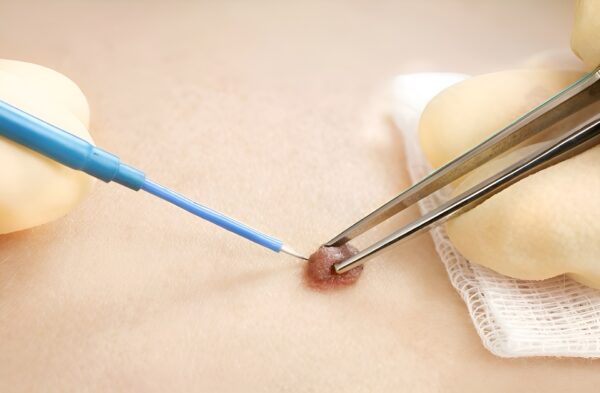
This unit develops learners’ understanding and practical skills in two specialist methods used for the removal of selected skin blemishes: thermolysis and cryotherapy.

Learners explore the scientific principles behind each treatment method. Thermolysis uses controlled high-frequency electrical energy to generate heat, while cryotherapy uses controlled cold to produce a localised freezing effect. They examine how these methods work, their appropriate applications and the importance of selecting suitable clients and lesions.

The unit focuses on the assessment and identification of suitable blemishes, recognising when a lesion should not be treated and understanding when medical referral is necessary. Learners also develop knowledge of consultation, treatment planning, equipment preparation, safe treatment techniques and aftercare.

A strong emphasis is placed on client safety, professional boundaries, hygiene and understanding the risks associated with treating skin lesions.

Key areas of learning include:

  • Principles of thermolysis and cryotherapy.

  • High-frequency electrical energy and thermal effects.

  • Cryotherapy and controlled freezing.

  • Identification and assessment of suitable blemishes.

  • Recognition of lesions requiring medical referral.

  • Client consultation and contraindications.

  • Treatment planning and equipment selection.

  • Safe treatment techniques and procedures.

  • Hygiene and infection prevention.

  • Possible adverse reactions and complications.

  • Healing processes and aftercare.

8. Aesthetic Practice Core Knowledge

This unit provides the essential professional, theoretical and safety knowledge required to work responsibly within the advanced aesthetics industry.

Learners develop an understanding of the professional responsibilities associated with providing aesthetic treatments, including health and safety, legislation, industry guidance, insurance requirements and working within professional scope of practice.

The unit explores the importance of infection prevention, hygiene, risk assessment, clinical waste management and maintaining a safe treatment environment. Learners also develop an understanding of professional conduct, client confidentiality, informed consent, record keeping and the importance of recognising and managing potential complications.

This knowledge helps learners build the professional foundation needed to deliver aesthetic procedures safely, ethically and responsibly.

Key areas of learning include:

  • Professional standards and responsibilities.

  • Legislation and regulatory considerations.

  • Scope of practice and professional limitations.

  • Health and safety requirements.

  • Risk assessment and hazard prevention.

  • Infection prevention and control.

  • Hygiene and clinical waste management.

  • Client consultation and informed consent.

  • Confidentiality and data protection.

  • Client records and treatment documentation.

  • Complications, adverse reactions and referral procedures.

  • Professional ethics and continuing professional development.

9. Advanced Skin Science

This unit provides learners with an in-depth understanding of the science of the skin and the biological processes that influence its health, appearance and response to aesthetic treatments.

Learners explore the structure and function of the skin, including the epidermis, dermis and subcutaneous tissue, alongside the roles of skin cells, proteins and supporting structures. They develop an understanding of the skin’s natural functions, including protection, temperature regulation, sensation and maintaining hydration.

The unit also explores the biological processes involved in skin ageing, cellular renewal, inflammation, pigmentation and wound healing. Learners examine how internal and external factors, including genetics, hormones, lifestyle, environmental exposure and nutrition, can influence skin health and the development of different skin conditions.

This scientific knowledge enables learners to make more informed decisions when assessing skin, selecting treatments and recommending appropriate skincare approaches.

Key areas of learning include:

  • Skin anatomy and physiology.

  • Epidermal, dermal and subcutaneous structures.

  • Skin cells, collagen and elastin.

  • The skin barrier and its protective functions.

  • Skin ageing and associated changes.

  • Cellular renewal and wound healing.

  • Inflammation and skin responses.

  • Melanin production and pigmentation.

  • Factors affecting skin health and condition.

  • Common skin conditions and their characteristics.

  • The relationship between skin science and aesthetic treatments.

This is a 12 Day Course but is dependent on previous experience, Anatomy & Physiology and qualifications. Here at The AATT we offer 1-1 intense and comprehensive training that focusses on you 100%. We run Refresher groups for Anatomy and Open Days here at The AATT to refresh and practice your skills.

 – A Summary of what is covered?

  • Principles of non-surgical aesthetic procedures
  • Client assessment for non-surgical aesthetic procedures
  • Advanced skin science for non-surgical aesthetic procedures
  • Complication management and emergency plan implementation for non-surgical aesthetic procedures
  • Provide advanced chemical peels for skin rejuvenation
  • Provide advanced skin needling procedures for skin rejuvenation
  • Provide needle mesotherapy procedures for skin rejuvenation and hair restoration
  • Provide light emitting diode (LED) phototherapy for skin rejuvenation.

Additionally, the qualification enforces the importance of managing complications and implementing emergency plans, ensuring safe and effective practice. This certificate is designed to prepare learners for further progression to level 7 injectable procedures.

ABOUT THE AATT

Founded in 2003, our Tutors, Assessors and IQA’s have over 55 years of experience delivering impeccable levels of training excellence in VTCT, NVQ, ITEC, ABT, City & Guilds and CA accreditations.

The AATT offers exclusive Salon/Spa training, FAST TRACK study to qualification, Tailor-made dates to suit, and One to One training in a relaxing environment highly conducive to quick and efficient learning.

The AATT Mission Statement

We acknowledge that our students sometimes like to come back for further practice in a working environment. The AATT provides this FOC to any student who has studied a course with us and would like further practice or a refresher.

Celebrity Red Carpet Skincare

The AATT have their own advanced cosmeceutical skincare range which benefits all treatments before, during and after. You can find them here: Shop

To view the full website click here:

https://www.celebrityredcarpetskincare.com/

The Focus Awards Level 4 Diploma in Advanced Skin Science and Clinical Aesthetic Procedures (RQF)


SKU: N/A Category: Tags: , , , , , , , , , , , , , , , , , , , , , , , , , , , , , , , , , , , , , , , , , , , , , , , , , , , Brand:
Share your love

Description

Focus Awards Level 4 Diploma in Advanced Skin Science and Clinical Aesthetic Procedures (RQF)

Take your aesthetics career to the next level

Are you ready to advance your knowledge, develop specialist treatment skills and take the next step in your aesthetics career?

The Focus Awards Level 4 Diploma in Advanced Skin Science and Clinical Aesthetic Procedures (RQF) is a nationally regulated qualification designed for individuals looking to develop their knowledge and practical skills in advanced skin science and clinical aesthetic procedures.

This comprehensive qualification combines advanced theoretical knowledge with practical treatment skills, enabling learners to develop a deeper understanding of skin anatomy, physiology, skin conditions, client assessment and advanced aesthetic treatment techniques.

Throughout the course, you will explore the science behind the skin, develop advanced consultation and assessment skills, and gain knowledge and practical experience in a range of specialist skin treatments.

Whether you are an established beauty professional looking to expand your treatment portfolio or an experienced practitioner wishing to strengthen your professional knowledge, this qualification offers an opportunity to develop your expertise within the growing aesthetics industry.

The Focus Awards Level 4 Diploma in Advanced Skin Science and Clinical Aesthetic Procedures (RQF) – Why choose this qualification?

The aesthetics industry is evolving, with increasing emphasis on professional standards, clinical knowledge, practitioner competence and client safety.

This Level 4 Diploma provides a substantial foundation in advanced skin science and aesthetic practice, covering nine mandatory units and a broad range of specialist treatment areas.

You will develop the knowledge and skills to:

  • Understand facial anatomy, physiology and advanced skin science.
  • Conduct investigative consultations and advanced skin assessments.
  • Identify skin conditions, contraindications and treatment suitability.
  • Understand and perform specialist skin rejuvenation procedures.
  • Develop safe and effective treatment plans.
  • Understand infection prevention, health and safety and professional responsibilities.
  • Recognise potential complications and understand appropriate referral procedures.
  • Work within your professional competence and scope of practice.

The Focus Awards Level 4 Diploma in Advanced Skin Science and Clinical Aesthetic Procedures (RQF) – The future of aesthetics and changing legislation

The aesthetics industry is moving towards a more structured regulatory framework, with the government introducing proposals designed to improve public safety, practitioner standards and accountability.

The Health and Care Act 2022 provides the legislative framework for regulating non-surgical cosmetic procedures in England. Further government proposals are being developed to introduce restrictions on certain high-risk procedures, including specified injectable treatments.

Choosing a regulated Level 4 qualification demonstrates a commitment to professional education and developing the underpinning knowledge required for advanced aesthetic practice.

Prepare for the changing aesthetics landscape.

This qualification provides valuable advanced skin science and clinical aesthetics education as the industry moves towards more formalised training and regulatory requirements.

Please note that the qualification does not include injectable treatment training and does not, by itself, authorise learners to administer Botox, dermal fillers or other injectable procedures. Eligibility to undertake injectable treatments will depend on the legislation, professional eligibility requirements and any recognised training requirements applicable when the new regulations come into force.

Level 4 Diploma in Advanced Skin Science and Clinical Aesthetic Procedures (RQF)- Your nine mandatory units

The qualification consists of nine mandatory units. Each unit contributes to developing your knowledge, understanding and practical competence in advanced skin science and clinical aesthetic procedures.

Unit 1 – Facial Anatomy and Physiology

Develop an understanding of the anatomy and physiology of the face, including the facial skeleton, muscles, nerves, blood supply, lymphatic system and skin structures. This unit provides the essential scientific foundation for understanding facial treatments and safe aesthetic practice.

Unit 2 – Provide Investigative Consultation and Advanced Skin Assessment

Develop advanced consultation and skin assessment skills. Learn to investigate client needs, medical history, lifestyle factors and skin concerns, identify contraindications, assess treatment suitability and formulate individualised treatment plans.

Unit 3 – Provide Dermaplaning Treatments

Explore the principles and practical application of dermaplaning. Develop knowledge of skin exfoliation, equipment, treatment techniques, client suitability, infection prevention and appropriate aftercare.

Unit 4 – Laser and Light Treatments for Skin Rejuvenation

Understand the science behind laser and light-based skin rejuvenation treatments. Explore wavelengths, chromophores, selective photothermolysis, treatment parameters, skin classification, safety considerations and client suitability.

Unit 5 – Providing Skin Needling Treatments

Study the science of skin needling and the skin’s natural wound-healing response. Develop knowledge and practical skills in treatment planning, equipment selection, safe application, collagen stimulation, infection control and aftercare.

Unit 6 – Chemical Skin Peeling

Explore chemical exfoliation and the use of professional peeling agents, including AHAs, BHAs and PHAs. Understand skin preparation, pH, product selection, treatment techniques, contraindications, potential complications and aftercare.

Unit 7 – Thermolysis and Cryotherapy for Blemish Removal Treatments

Develop an understanding of thermolysis and cryotherapy for the treatment of suitable skin blemishes. Learn about treatment principles, lesion assessment, equipment, safe procedures, contraindications, potential complications and when medical referral is required.

Unit 8 – Aesthetic Practice Core Knowledge

Develop the professional knowledge required for safe and responsible aesthetic practice. Study health and safety, legislation, professional responsibilities, infection prevention, risk assessment, client consent, confidentiality, record keeping and management of complications.

Unit 9 – Advanced Skin Science

Explore the advanced science of the skin, including cellular structure, collagen and elastin, skin ageing, pigmentation, inflammation, wound healing and the factors that influence skin health. Understand how this knowledge informs treatment selection and advanced skin assessment.

The Focus Awards Level 4 Diploma in Advanced Skin Science and Clinical Aesthetic Procedures (RQF) – Who is this course suitable for?

This qualification is intended for individuals who already have a foundation in beauty therapy or relevant occupational experience and wish to progress into advanced skin science and clinical aesthetic procedures.

It may be suitable for:

  • Qualified Level 3 beauty therapists.
  • Experienced facial and skincare practitioners.
  • Existing aesthetics practitioners looking to broaden their knowledge.
  • Beauty professionals wishing to specialise in advanced skin treatments.
  • Practitioners seeking a regulated Level 4 qualification in advanced skin science and aesthetic procedures.

The Focus Awards Level 4 Diploma in Advanced Skin Science and Clinical Aesthetic Procedures (RQF) – How will you be assessed?

Learners will be assessed against the qualification’s learning outcomes and assessment criteria.

Assessment will include appropriate theoretical and practical evidence, which may include:

  • Written assignments and knowledge questions.
  • Research and case studies.
  • Client consultation and assessment documentation.
  • Treatment planning and practical evidence.
  • Practical observations and competency assessments.
  • Reflective practice and professional development.

A portfolio of evidence will be developed throughout the qualification to demonstrate that the required knowledge, understanding and practical skills have been achieved.

All assessment will be undertaken in accordance with Focus Awards requirements.

Why train with us?

We are proud to be an approved Focus Awards Centre for the delivery of this Level 4 Diploma.

Our aim is to provide high-quality education that combines scientific understanding, professional standards and practical learning.

We understand that advanced aesthetics requires more than simply learning how to perform a treatment. It requires an in-depth understanding of the skin, client assessment, treatment suitability, potential risks and professional responsibilities.

Our training approach is designed to help learners develop confidence, knowledge and the professional skills needed to progress within the aesthetics industry.

Take the next step in your aesthetics career

Invest in your professional development and build your knowledge of advanced skin science and clinical aesthetic procedures.

If you are ready to develop your skills, broaden your treatment knowledge and gain a regulated Level 4 qualification, we would love to hear from you.

Enquire today to find out more about course availability, enrolment and upcoming training dates.

The Focus Awards Level 4 Diploma in Advanced Skin Science and Clinical Aesthetic Procedures (RQF)

Focus Awards Level 4 Diploma in Advanced Skin Science and Clinical Aesthetic Procedures (RQF)- Summary

  • Principles of non-surgical aesthetic procedures
  • Client assessment for non-surgical aesthetic procedures
  • Advanced skin science for non-surgical aesthetic procedures
  • Complication management and emergency plan implementation for non-surgical aesthetic procedures
  • Provide advanced chemical peels for skin rejuvenation
  • Provide advanced skin needling procedures for skin rejuvenation
  • Provide needle mesotherapy procedures for skin rejuvenation and hair restoration
  • Provide light emitting diode (LED) phototherapy for skin rejuvenation.

Additionally, the qualification enforces the importance of managing complications and implementing emergency plans, ensuring safe and effective practice. This certificate is designed to prepare learners for further progression to level 7 injectable procedures.

Focus Awards Level 4 Diploma in Advanced Skin Science and Clinical Aesthetic Procedures (RQF)

12 Days generally but this will depend on previous experience, Anatomy & Physiology and qualifications. Here at The AATT we offer 1-1 intense and comprehensive training that focusses on you 100%. We run Refresher groups for Anatomy and Open Days here at The AATT to refresh and practice your skills.

Focus Awards Level 4 Diploma in Advanced Skin Science and Clinical Aesthetic Procedures (RQF)

– Pre-requisites:

Study in Level 2, 3 and 4 are necessary to study this qualification. Here are some of the options open to you:

ITEC Level 3 Certificate in Access to Aesthetics

VTCT Level 3 NVQ Diploma Beauty Therapy General Route

VTCT Level 2 NVQ Diploma Beauty Therapy General Route

The Focus Awards Level 4 Diploma in Advanced Skin Science and Clinical Aesthetic Procedures (RQF)


Additional information

Dates:

12th-16th Feb, 18th-22nd Mar, 20th-24th Apr, 11th-15th May, 17th-21st Jun, 6th-10th Jul, 18th-23rd Aug, 14th-18th Sep, 12th-16th Oct, 9th-13th Nov, 14th-18th Dec

Reviews

There are no reviews yet.

Be the first to review “Focus Awards Level 4 Diploma in Advanced Skin Science and Clinical Aesthetic Procedures (RQF)”

Your email address will not be published. Required fields are marked *

Focus Awards Level 4 Diploma in Advanced Skin Science and Clinical Aesthetic Procedures (RQF)

Original price was: £4,500.00.Current price is: £2,999.00.

Select options This product has multiple variants. The options may be chosen on the product page